In recent years, wearable technology has gained significant traction in the sports industry, revolutionizing the way athletes train, compete, and recover. These devices, designed to be worn on the body, provide real-time data that can greatly enhance performance and health monitoring. From fitness trackers to smart apparel, wearable tech is shaping the future of athletics.
What is Wearable Technology?
Wearable technology refers to electronic devices that can be worn on the body, often embedded in clothing or accessories. These gadgets come equipped with sensors that monitor various physical metrics, body movements, and even biometric data. The primary goal of wearable tech is to provide users with actionable insights to improve their fitness and health.
The Impact on Sports
Wearable technology has made a profound impact on the sports industry in several ways:
- Performance Tracking: Athletes can monitor their heart rate, pace, distance, and more in real-time, allowing them to optimize their training sessions.
- Injury Prevention: By analyzing biomechanics, wearables help identify potential injury risks, enabling coaches and athletes to adjust training regimens accordingly.
- Recovery Optimization: Post-training recovery can also be monitored, with devices offering insights into sleep patterns and muscle recovery, promoting better overall health.
- Enhanced Training Methods: Coaches can use data gathered from wearables to tailor training programs to individual athlete needs, fostering improved results.
Types of Wearable Tech
There are several types of wearable technologies that athletes utilize today:
1. Fitness Trackers
These devices, often worn on the wrist, track daily activities such as steps taken, calories burned, and heart rate. Examples include smartwatches and dedicated fitness bands.
2. Smart Clothing
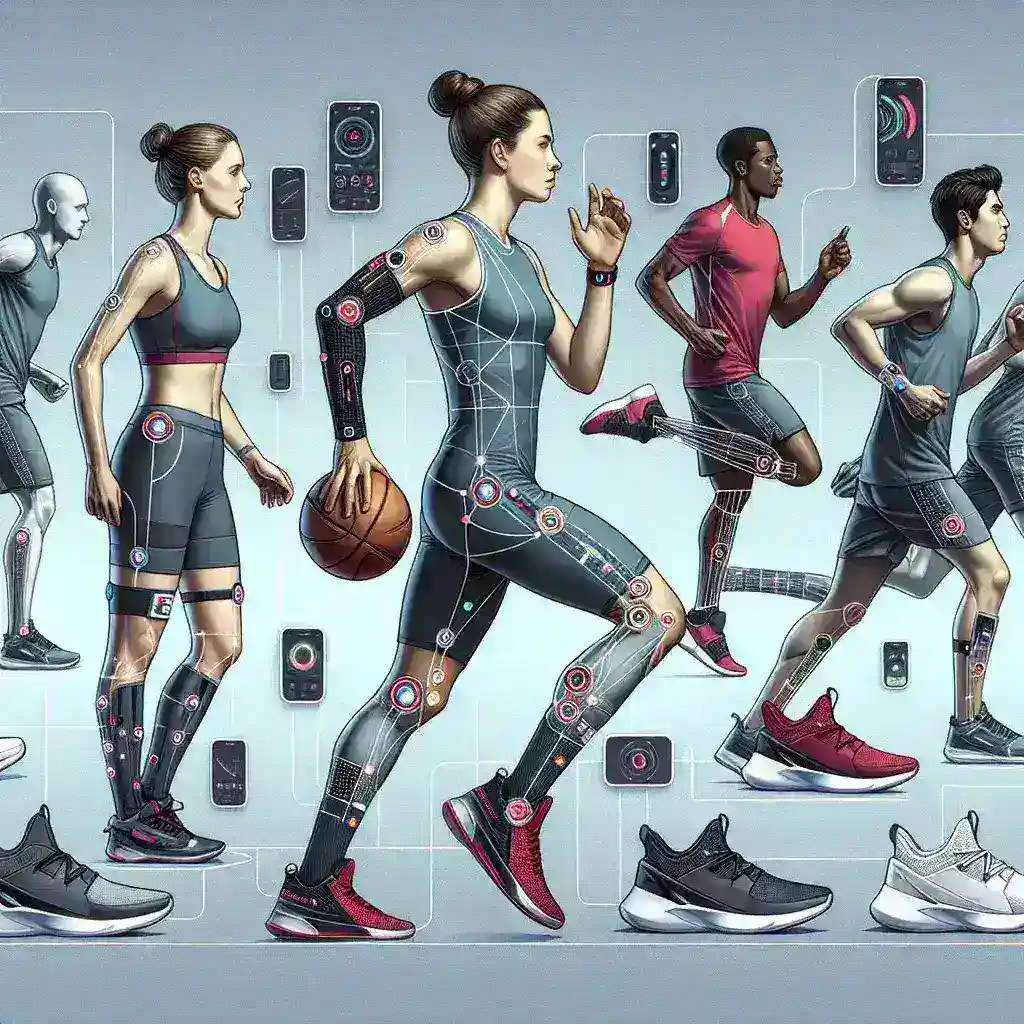
Wearable tech has advanced to include smart clothing embedded with sensors that can monitor muscle exertion, body temperature, and other biometric data during workouts.
3. GPS Watches
GPS-enabled watches help athletes track their location, speed, and distances traveled during outdoor sports, providing data that can be crucial for performance analysis.
4. Heart Rate Monitors
These devices can be worn as chest straps or wrist monitors, offering real-time heart rate data, allowing athletes to train within their target heart rate zones.
Future Trends in Wearable Tech for Sports
The future of wearable technology in sports looks promising, with trends indicating continuous growth and innovation:
- Improved Accuracy: Advances in sensor technology are resulting in more accurate data collection.
- Integration with AI: Artificial intelligence is being integrated into wearables for predictive analytics, optimizing training programs.
- Enhanced User Experience: As technology evolves, user-friendly designs and features will enhance the appeal of such devices.
- Wider Adoption: As more athletes begin to realize the benefits of wearable tech, its adoption across various sports will continue to increase.
Conclusion
Wearable tech has become an indispensable tool for athletes, coaches, and sports organizations looking to gain a competitive edge. By utilizing the data generated from these devices, athletes can not only enhance their performance but also ensure their overall well-being. As technology advances further, the possibilities for innovation in sports wearables are boundless, promising an exciting future for athletes around the globe.
Leave a Reply